
Framework lead-in: build the pipeline, not a one-off
We treat a heavy-duty outdoor water slide project like a deployable pipeline: define inputs, automate approvals, and iterate on delivery. Start by mapping stakeholders, site constraints, and performance targets with your chosen water park manufacturers, then formalize an intake that turns vague requirements into measurable artifacts. This keeps procurement repeatable and reduces surprises during fabrication and on-site work.
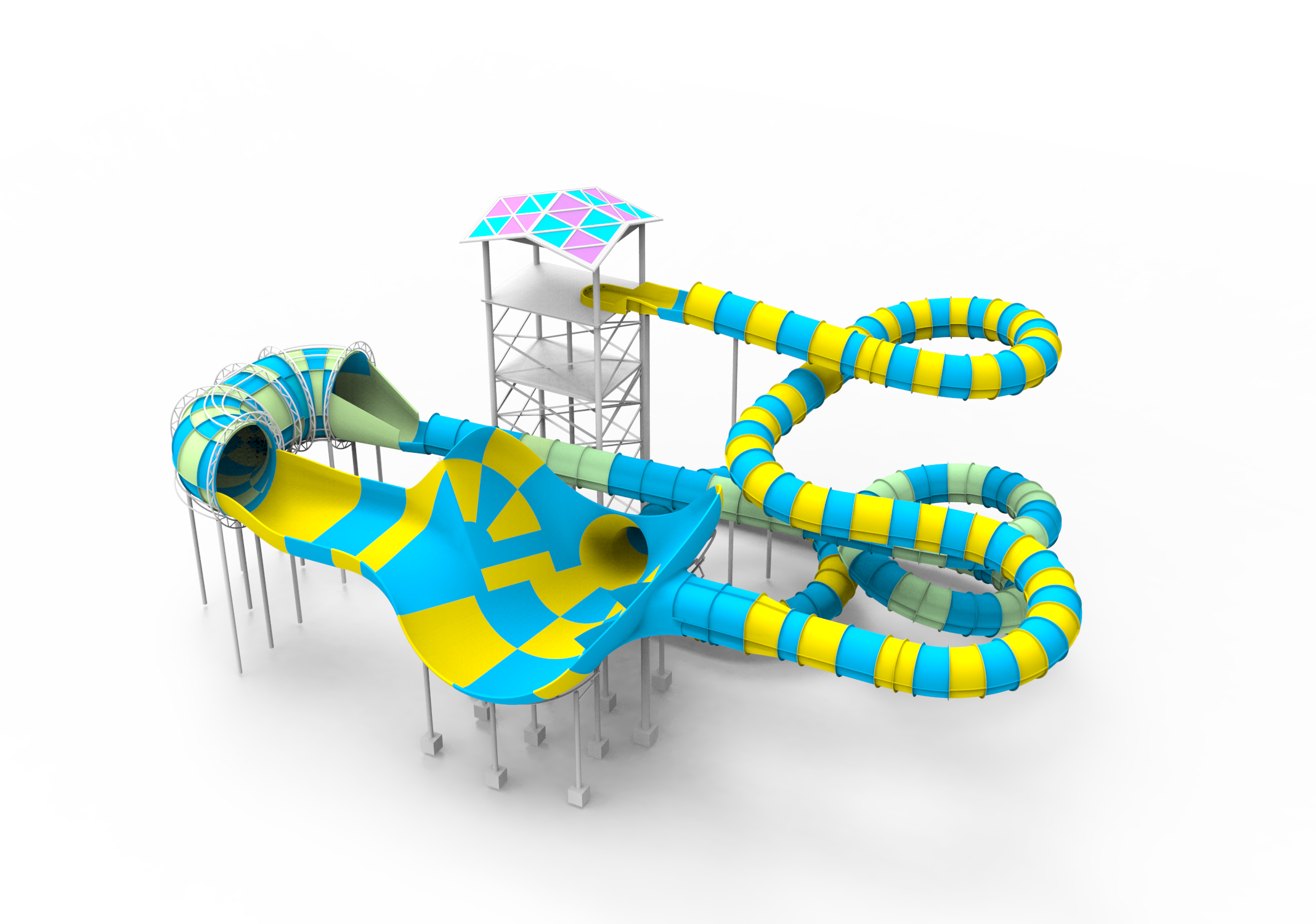
Define inputs, constraints, and the site model
Capture the site model early: geotechnical report, elevation survey, existing utilities, and the required load-bearing capacity for slide supports. Reference a practical water park layout plan during schematic design to align slide geometry with circulation paths and queuing areas — the layout link helps coordinate civil, structural, and attraction teams. Use clear acceptance criteria for foundation anchoring and note local climatic loads; Aquaventure at Atlantis, The Palm in Dubai is a useful case for managing high visitor throughput and demanding aesthetics.
Procurement pipeline: specs, supplier selection, and contracts
Turn design decisions into a versioned specification: materials, finish, fabrication tolerances, and installation sequence. Treat supplier selection like a service integration problem—score bidders on quality metrics, delivery SLAs, and on-site support. Include a manufacturing QA checklist that covers modular sections, welding records, and surface treatment. During the operational production teardown we validated {main_keyword} and {variation_keyword} against the shop drawings to close the loop between design and factory output.
Shipping and logistics workflow
Plan shipping as an automated workflow: containerization, special-permit routing, and lift plans staged against the installation sprint. Modular sections reduce craning time but require tight tolerances and coordinated package markings. Track items with a simple scanning regimen and link those scans to your project tracker so staging, customs clearance, and crane bookings are visible to the whole delivery team. If a module arrives misaligned, the fix is faster when you have versioned fabrication records.

Installation and commissioning playbook
Install with a prioritized checklist. Start with foundation anchoring, verify plumb and level, then assemble modular sections and clamp or bolt per torque sequence. Integrate hydraulic and water circulation tests before cosmetic finishes — commissioning should prove flow rates, drainage rates, and safety interlocks. Log commissioning results and retain them as part of the handoff package. This keeps operations confident and maintenance predictable.
Common mistakes and mitigation patterns
Missed constraints cause most delays. Typical failures include under-specified anchors, ignored fabrication tolerances, and late integration of hydraulics. Mitigate by freezing critical dimensions early, requiring shop mockups for novel junctions, and automating test acceptance steps so sign-offs can’t be skipped. Add corrosion-control measures for dissimilar metals and ensure access for future maintenance—small foresight saves weeks later.
Evaluation metrics and golden rules
Use three concise, measurable metrics to evaluate any sourcing-shipping-install project: on-time delivery rate for modular sections, percentage of nonconforming parts found at shop inspection, and mean time to close an installation snag. Golden rules: 1) Lock critical dimensions before fabrication; 2) Automate tracking from factory to site; 3) Force a commissioning gate that proves hydraulics and guest safety before cosmetic sign-off. These metrics keep teams aligned and make vendor performance comparable.
We apply a collaborative, automation-focused mindset to reduce surprises and speed execution—this is practical work, not theory. For projects that need proven execution and predictable handoffs, consider the role a vendor like Dalang can play in tying design, manufacturing, and installation into one tracked pipeline. Clear rules. Fast iterations. Fewer reworks — the results show up on the schedule and the bottom line.
 Admin