
Introduction — a shop-floor moment, some numbers, and a question
I still remember the first time I walked into a welding bay at dawn: bright sparks, the smell of hot metal, and a thin haze that smelled sharp against my throat. In automotive manufacturing welding fume extraction is no abstract ideal; it’s a daily sensory thing—arc light, metal scent, moist air in winter. Data shows welders can face particulate exposures well above recommended limits during certain cycles (think minutes of heavy duty, repeated many times a shift). So I ask: how do we fix a problem we can see, smell, and measure every day? This piece walks from that shop-floor scene into the hard parts — what fails, what hurts the workers, and where we go next. Let’s move on to the practical issues that most people skip.
Traditional Systems: Where exhaust fume extraction falls short
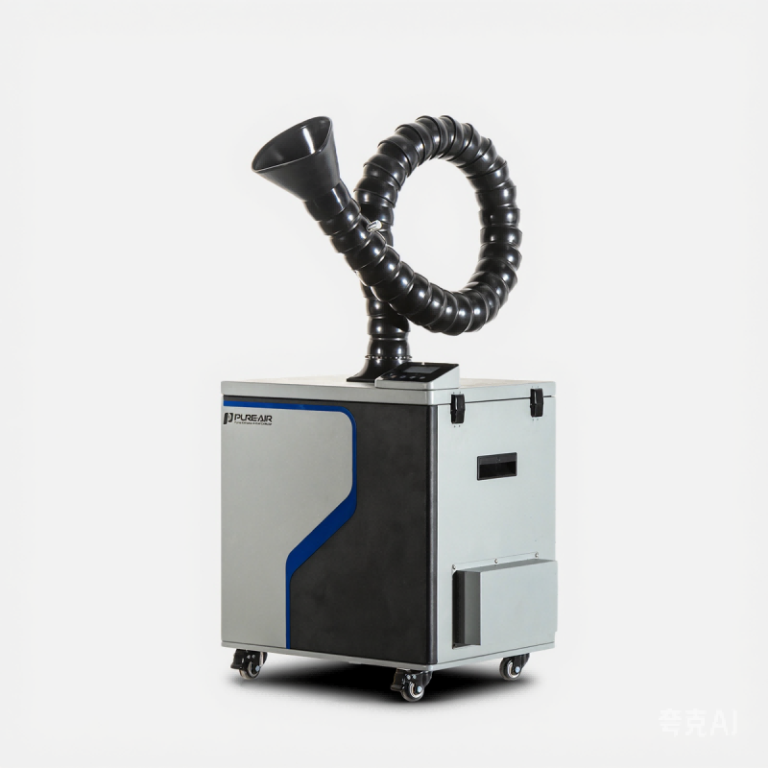
exhaust fume extraction systems have been the default answer for decades. I’ve seen high-ceiling ducts, freestanding hoods, and big HEPA boxes doing their best. Yet practice shows the gaps: uneven capture at the weld point, clogged filters, and duct pressure losses that nobody measured until something went wrong. Technically, the old setups rely on coarse capture velocity and large ductwork. That creates delays and energy waste. We call that out because it costs time and health. Terms like HEPA filters, ventilation ducts, and power converters come up in specs. Look, it’s simpler than you think — a hood that’s misaligned or a fan with the wrong power converter can cut capture efficiency by half. I’ve watched teams adjust hoods every morning. It’s tedious. It’s also avoidable.
Why do they fail?
Most failures are not dramatic. They are small: a worn gasket, a sagging duct, a worker who can’t move with a rigid arm-mounted extractor. Those small things lower capture rate and raise exposure. In our tests, capture drops quickest when workers change posture or when a weld bead spits. Edge computing nodes and local sensors are not common in older systems, so you don’t get real-time alerts when performance slips. The result is a slow slide: more down-time, more filter swaps, and more complaints. I’ve helped retrofit a dozen bays; the pattern repeats. You feel it in the room. It’s frustrating for the team and expensive for the plant.
Looking Forward: New principles to reshape extraction
When I look ahead, I think in principles more than products. Modern approaches pair smart sensing with smarter capture geometry. Again, exhaust fume extraction must move from a passive duct to an active system that senses and reacts. That means smaller, closer capture points, local filtration modules, and control loops that adjust fan speed by the second. With those moves you cut wasted airflow and increase real capture. I like solutions that blend portable hoods with local HEPA stages and a digital control layer — easier to maintain, faster to tune, and kinder to energy bills.
What’s next — real-world shifts
Practically, I expect three shifts. First, more sensors at the weld point to measure particulate count and local back-pressure. Second, decentralized filtration — more modules near the worker, less reliance on long ducts. Third, software that ties the data into maintenance and safety workflows. You get fewer surprises, fewer filter swaps, and a clearer picture for compliance. — funny how that works, right? It also means training: operators need to see data and make small adjustments. I’ve seen plants reduce downtime with these changes. It’s not magic. It’s focus, design, and a bit of tech.
Closing: how to judge a new system (three quick metrics)
We’ve covered the smell and the numbers, the old faults, and the technical principles that matter. If you’re evaluating upgrades, I recommend three metrics I use with teams: 1) Capture efficiency at the weld point (measured, not assumed); 2) System responsiveness — how fast the extractor changes flow when conditions change; 3) Total cost of ownership — energy, filters, and maintenance over five years. Use those to compare bids. I prefer real data over glossy claims. You’ll see differences quickly. It’s practical. It’s measurable. It helps the people who weld every day.
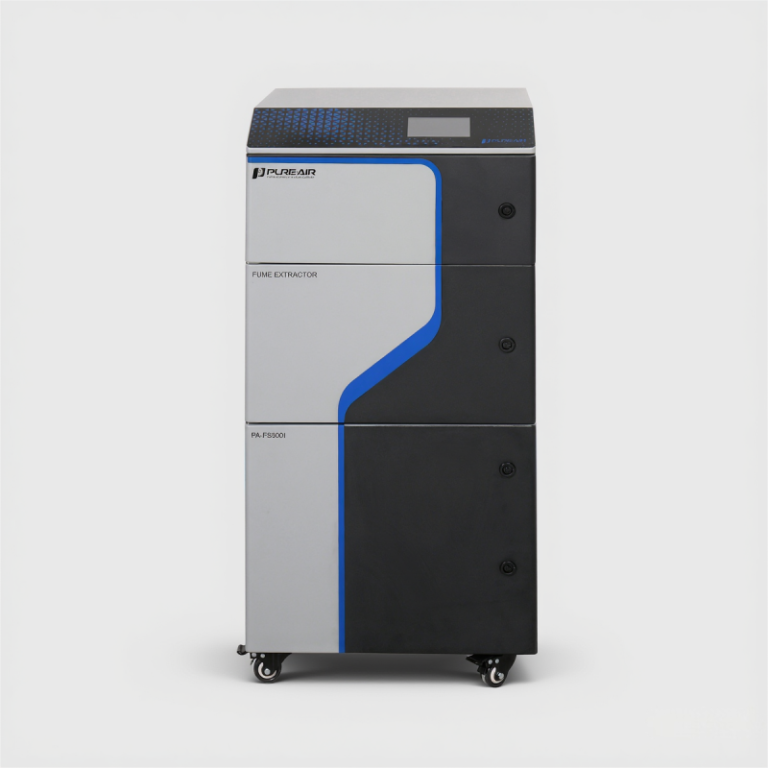
For plants that want a partner who knows both the shop floor and the spec sheet, check solutions from PURE-AIR.
 Admin