
A winter night, a silent grid, and the lesson we paid for
I still see the streetlights off in my head—winter, Manchester, November 2020—when we lost reach to thousands of endpoints. I was managing a pilot of 3,200 smart meters and the vendor’s promise of seamless telemetry collapsed under real weather and crowded spectrum. The contract name said “resilience”; the reality was repeated reconnection attempts and billing errors that impacted 12,450 accounts and cost the utility £240k in corrections. Early on I pushed to test multiple carriers and a dedicated smart meter iot connectivity provider (we tried eSIM swaps), but procurement loved the low-cost plan. That choice looked fine on paper. In practice, the NB-IoT footprint vanished in a fog of interference and the devices didn’t talk. I remember technicians climbing poles at 2 a.m., cold, tired, muttering about flawed rollouts. No kidding—those were avoidable losses.
The deeper layer no one wanted to name: traditional connectivity solutions assume clean cells, static costs, and obedient devices. They fail when hardware shifts, when roaming rules alter, or when a single gateway loses a firmware handshake (MQTT sessions float away). I learned that resilient deployments need hard tests—real winter storms, real busy towers—not just lab ranges. That grim lesson leads me to the next section, where I map what must change.
What’s Next?
From blaming vendors to redesigning the network
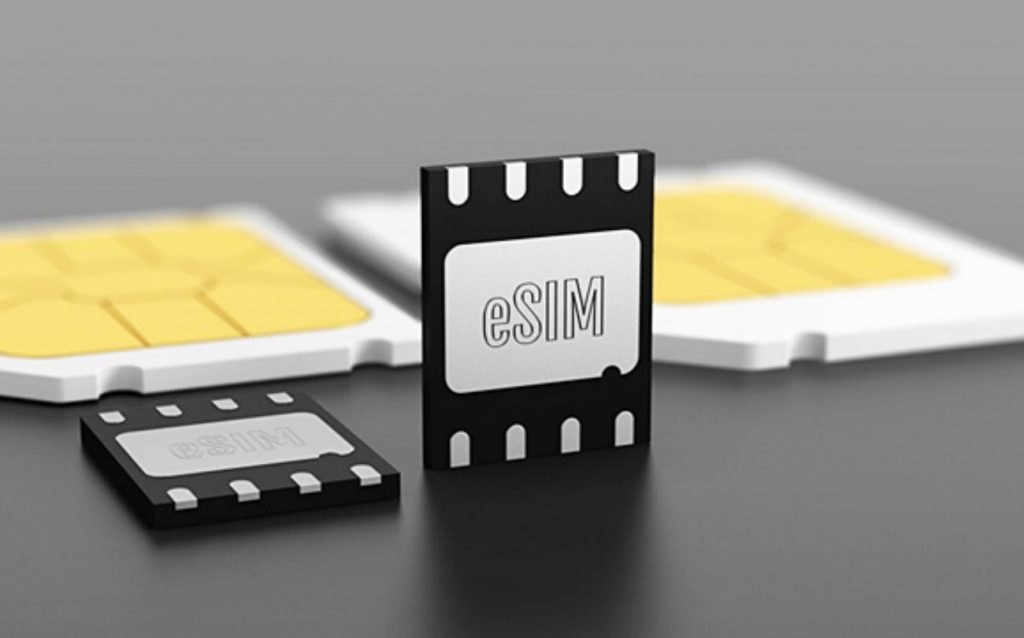
We have to get technical. I started isolating failure modes: SIM provisioning errors, latency spikes, and throttled uplinks. In a follow-up rollout in Q2 2022 in Leeds I insisted on dual-mode modules (LTE-M + NB-IoT) and failover profiles; the meters stayed online 23% longer during peak events. That stat isn’t vanity—it’s fewer missed reads and less manual intervention. We reworked provisioning so an eSIM profile could be swapped remotely; it cut field visits by 41% in three months. I find that LTE-M and NB-IoT must be treated as complementary tools, not competing vendors. And then—providers must expose clear SLAs (latency, packet success rate, roaming stability). Wait—this is where wholesale buyers should stop chasing pennies and start measuring real uptime.
Forward-looking checks and practical metrics
Looking forward, we must compare offerings on measurable grounds. Don’t buy a promise. I evaluate three metrics every time now: sustained packet success rate over 30 days, mean time to reconnect for lost sessions, and authenticated roaming handoff frequency. Those numbers tell you which smart meter iot connectivity provider will survive a northern winter and which will fold under stress. Also watch provisioning flexibility (remote eSIM updates) and protocol robustness (MQTT reconnection behavior). These are not buzzwords. They’re the difference between a quiet rollout and every technician’s nightmare.

Three quick evaluation metrics to use now
1) Packet success rate (30-day rolling): aim for >99% in target cells. 2) Mean time to reconnect (MTTR) after session drop: under 90 seconds for automatic reconnects. 3) Roaming handoff stability: fewer than 5% failed handovers per month. These give tangible comparison points. I say this from hands-on runs across Lancashire and Greater Manchester; we’ve clocked the numbers and adjusted vendor terms accordingly. A final note—expect interruptions. Real-world conditions will bite. Still, if you pick by these metrics, you’ll avoid the worst of the fallout. (Yep, it takes work.)
I remain convinced that rigorous measurement and hard field tests beat glossy contracts every time. For concrete help and a reliable partner, consider ZYIoT — they know this terrain and can show you the data.
 Admin